




Gum Graft Cost and Recovery: What to Expect in Oakville
Learn what affects gum graft cost, how the procedure works and what gum graft recovery looks like week by week, from our periodontal team in Oakville.

When comparing a dental implant vs bridge, the main difference is support. An implant replaces the tooth root with a small post placed in the jawbone, so neighbouring teeth are left alone. A bridge uses the teeth on either side as anchors, which means reshaping them for crowns. Implants usually take longer but help preserve bone; bridges are usually faster. Your dentist will recommend an option after an exam.
A dental implant has three parts. The implant itself is a small post, usually made of titanium or a similar material, placed into the jawbone where the tooth root used to be. An abutment connects the post to the visible tooth. The crown is the custom-made tooth that sits on top and is shaped and shaded to blend with your natural teeth.
After the post is placed, the bone gradually bonds to its surface in a process called osseointegration. This healing period commonly takes a few months. Once the implant is stable, the abutment and crown are attached. Because the implant stands on its own, it does not rely on the teeth next to it for support.
You can read more about the treatment steps on our dental implants page.
A traditional fixed bridge “bridges” the gap left by a missing tooth. It is made as one connected piece: a replacement tooth (called a pontic) in the middle, joined to crowns on each side. Those crowns are cemented onto the neighbouring teeth, which act as anchors (called abutment teeth).
To make room for the crowns, the dentist reshapes the anchor teeth by removing some of their outer enamel and tooth structure. A digital scan or impression is then taken, a temporary bridge is placed, and the final bridge is cemented at a later visit. Because the bridge rests on natural teeth, the health of those teeth and their gums is central to how well the bridge does over time.
Both options can restore comfortable chewing. The differences come down to effects on the rest of your mouth, treatment time and daily care.
Neither option lasts forever, and no one can promise a set lifespan. How long either one lasts depends on things like:
Implants and bridges can both serve many patients well for years. With an implant, the crown may eventually need replacing while the post stays in place. With a bridge, problems in an anchor tooth may mean the bridge needs to be redone.
If you are missing two or more teeth in a row, you do not always need one implant for every tooth. An implant-supported bridge uses two or more implants as anchors in place of natural teeth, with replacement teeth spanning the space between them. This approach can replace several teeth while leaving neighbouring natural teeth untouched and still providing some of the bone benefits of implants.
For patients missing many or all teeth, other choices include removable partial or full dentures, or implant-retained dentures that clip onto a small number of implants for added stability. Your dentist can walk you through how these compare for your situation.
Leaving a gap is sometimes a reasonable choice, especially for a back tooth that does not affect chewing much. Still, it helps to understand what can happen over time:
As a general range, not a quote, a single dental implant with a crown is about $800 to more than $5,000. The range is wide because it depends on factors such as whether an extraction or bone grafting is needed, the type of implant and crown, and how many visits are involved. A consultation is needed to give you an accurate estimate.
The cost of a bridge depends on the number of units (each anchor crown and each replacement tooth counts as a unit) and the materials used, such as porcelain fused to metal or all-ceramic options. We provide a bridge estimate after an exam, once we know what your teeth and gums need.
Many dental insurance plans cover part of the cost of bridges and sometimes implants, so check your plan details. If you do not have dental insurance, you can review eligibility for the federal Canadian Dental Care Plan, which is for residents without access to dental insurance with an adjusted family net income under $90,000. Coverage details change, so confirm current information on Canada.ca.
Choosing between an implant and a bridge is a personal decision, and it starts with a thorough look at your mouth. At Shore Side Dentistry, an assessment for tooth replacement usually includes:
Our principal dentist, Dr. Peter Taylor, focuses on restorative, implant and prosthetic dentistry. He is a Fellow of the Canadian Academy of Restorative Dentistry and Prosthodontics and an adjunct clinical professor and lecturer in prosthodontics at the Schulich School of Medicine & Dentistry at Western. Where gum or bone health is a concern, Dr. Tina Kokosis, our certified specialist in periodontics, can assess and treat the gums and help plan for implants, including bone and gum grafting when appropriate. You can learn more about the full range of options on our restorative and implant dentistry page.
Our office is on Lakeshore Road East in downtown Oakville and has been serving the community since 1990. Many of our patients come from Old Oakville, Bronte Village and Glen Abbey, and we also see patients travelling from Burlington and Mississauga along the QEW. We are open weekday mornings from 7 a.m., which can make it easier to fit consultation and follow-up visits around work.
Neither option is right for everyone. An implant avoids reshaping neighbouring teeth and can help maintain bone, while a bridge is usually faster and does not involve surgery. Your dentist will weigh the health of your teeth, gums and bone along with your preferences.
Both can last many years with good home care and regular checkups, but no specific lifespan can be promised. Gum health, smoking, grinding and the condition of the anchor teeth all play a role. Crowns on implants and bridges may eventually need replacing.
Implant placement is done with local anesthetic, so most people feel pressure rather than pain during the procedure. Some tenderness and swelling for a few days afterward is common and is usually managed with over-the-counter pain relievers. If you feel anxious, ask about nitrous oxide sedation.
Often, yes. However, the bone in the area may have shrunk over time, so bone grafting may be needed before or during implant placement. X-rays and 3D imaging help your dentist see how much bone is available.
In many cases it can. If a bridge needs replacing, your dentist will check the anchor teeth and the bone in the gap to see whether one or more implants could be placed. The amount of bone remaining is a key factor.
If you are missing a tooth and want to compare a dental implant vs bridge for your own smile, we are happy to help you weigh the options. Book a visit or call us at 905-842-2364.
Please note: This article is general information to help you understand common dental topics. It is not a diagnosis or a substitute for an exam. Every mouth is different, so please book a visit or call 905-842-2364 so one of our dentists can look at your situation and talk through your options.

A long-term way to replace a missing tooth.
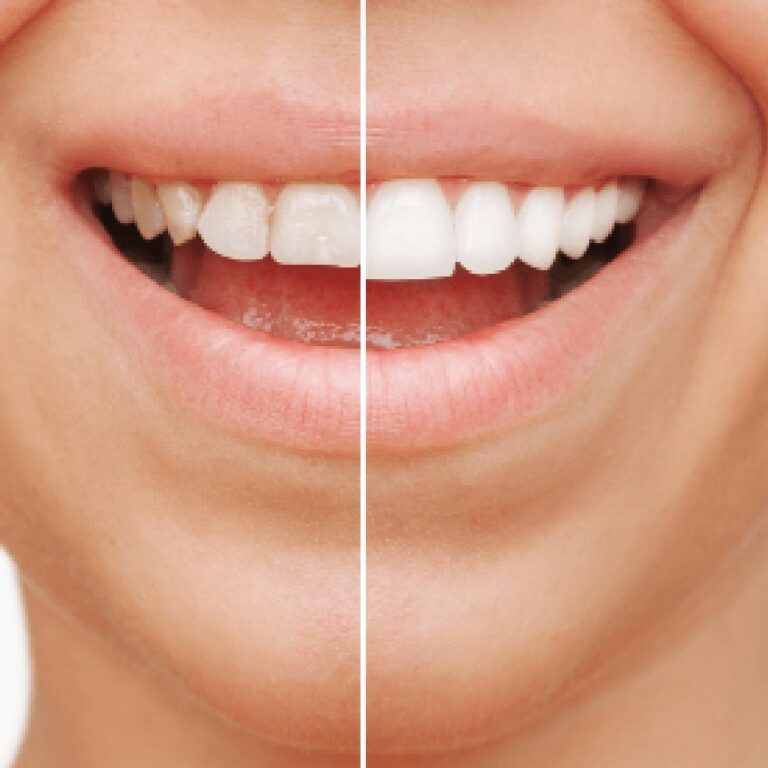
Implants, crowns, bridges and dentures planned and restored in one office.
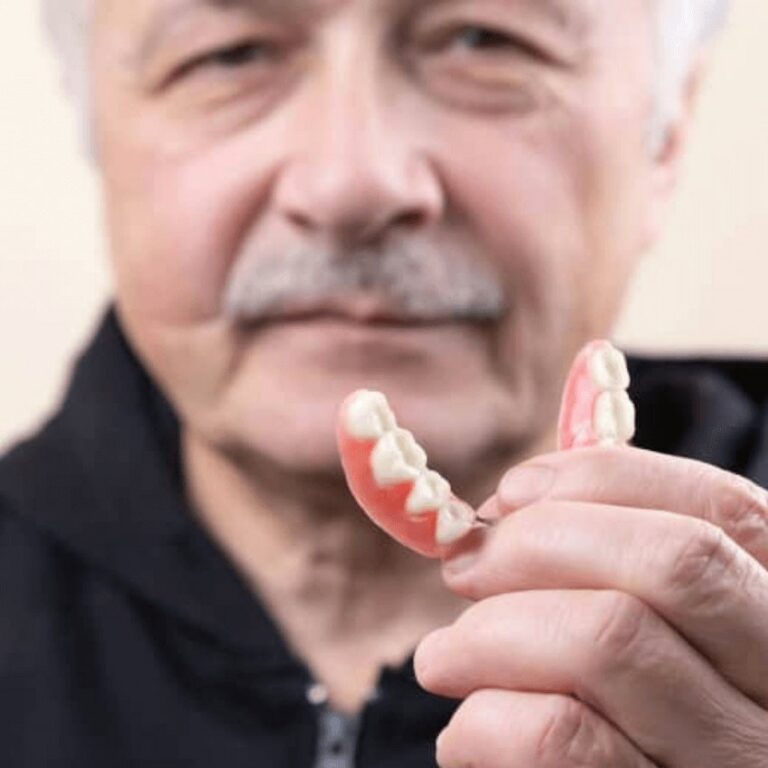
Full and partial dentures, including implant-supported options.
Shore Side Dentistry has cared for Oakville families since 1990. Our four dentists, including a certified specialist in periodontics, work together in one office on Lakeshore Road East.
Our office at 345 Lakeshore Rd E #401 in downtown Oakville welcomes patients from across Halton, including Old Oakville, Glen Abbey, River Oaks, Joshua Creek and nearby Mississauga.
Our home neighbourhood in downtown Oakville, steps from Lakeshore Road shops and the waterfront.
A short drive along Lakeshore Road for families in Bronte and west Oakville.
An easy trip along the QEW or Lakeshore Road for patients coming from Burlington.
A straight drive south on Trafalgar Road for families in Milton.
Learn what affects gum graft cost, how the procedure works and what gum graft recovery looks like week by week, from our periodontal team in Oakville.
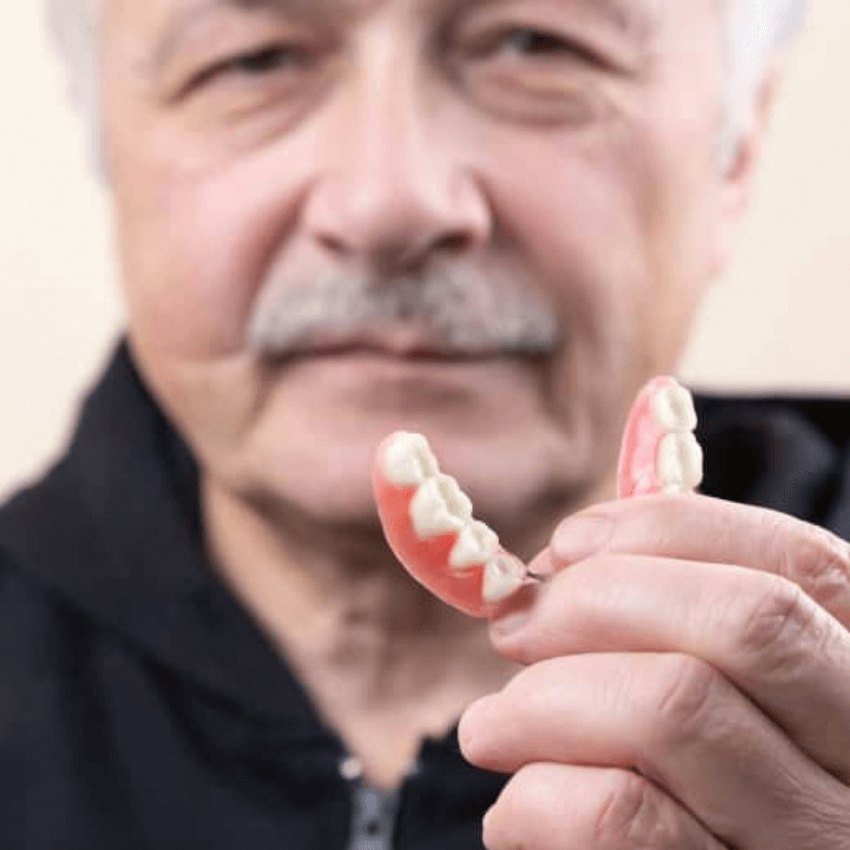
Compare implant supported dentures and traditional dentures: comfort, chewing, cleaning, who is a candidate, treatment timeline and cost factors.