



Dental Implant vs Bridge: Which Is Right for You?
Comparing a dental implant vs bridge for a missing tooth: how each works, pros and cons, timing, cost factors and how our Oakville team helps you choose.
Quick answer: Gum graft cost depends on how many teeth need treatment, the type of graft, whether donor tissue is used, sedation and your insurance coverage, so an exact estimate is given after an exam. Gum graft recovery usually takes about one to two weeks for comfort to return, with the tissue continuing to mature over roughly four to six weeks or longer.
If your dentist has mentioned receding gums, you probably want to know what a gum graft will cost and what recovery feels like. At Shore Side Dentistry, gum grafts are assessed and performed by Dr. Tina Kokosis, our certified specialist in periodontics.
Healthy gums fit snugly around each tooth and cover the root. When gums recede, they pull back and expose part of the root surface. Recession can develop slowly from gum disease, brushing too hard, a thin natural gum type, tooth position, clenching or grinding, or tobacco use. You can read more about the causes in our article on receding gums: causes and treatment.
A gum graft adds healthy tissue to the area where gum has been lost. Your dentist may suggest one for several reasons:
Not every case of recession needs surgery. Mild, stable recession may simply be monitored, along with changes to brushing technique and regular preventive care. Your dentist will check how much tissue has been lost, whether it is changing and whether a graft makes sense for you.
The right technique depends on how much tissue is missing, how thick your gums are and how many teeth are involved. In general terms, the main options are:
This is a widely used technique for covering exposed roots. A small flap is made in the roof of the mouth (the palate), and a thin layer of tissue from under the surface is removed and placed under the gum at the treatment site. Because the top layer of the palate stays in place, that area often heals more comfortably.
Here a small piece of tissue is taken directly from the surface of the palate and attached where the gum is thin. This graft is often used to thicken gum tissue and build a firmer band of gum, rather than mainly to cover a root. The donor area on the palate heals like a small surface wound, so it may be more tender for the first week or so.
When there is enough healthy gum right next to the receding area, the tissue can be partly cut and moved sideways to cover the exposed root while it stays attached at one edge. It keeps its own blood supply but needs enough nearby tissue.
Instead of using tissue from your own palate, some grafts use processed donor material, such as tissue from a tissue bank or a collagen-based matrix. These options avoid a second surgical site in the palate, which many patients find makes recovery easier, especially when several teeth are treated at once. Your periodontist can explain whether donor material suits your situation.
Gum grafting begins with a consultation. Dr. Kokosis can examine your gums, measure the recession, review digital X-rays and talk with you about your goals and medical history. If gum disease is present, it is usually treated first so the graft has healthy tissue to attach to.
On the day of the procedure:
Treating several teeth takes longer and is sometimes split into separate visits.
Everyone heals at a different pace, and your periodontist’s instructions always come first. The timeline below describes what many patients experience.
Contact the office if you notice bleeding that does not slow with gentle pressure from gauze, swelling or pain that gets worse after the third day instead of better, fever, a bad taste or pus, or if the graft looks like it has moved. For facial swelling that affects breathing or swallowing, uncontrolled bleeding or a jaw injury after hours, go to the nearest emergency department, such as Oakville Trafalgar Memorial Hospital, or call 911.
Gum grafting is a common, well-established procedure, but like any surgery it carries some risks. Your periodontist will review these with you before treatment:
Results depend on factors such as how much bone supports the tooth, your gum thickness, smoking, health conditions like diabetes and how closely the aftercare instructions are followed.
Because every case is different, we do not quote a single price for a gum graft. Your fee is based on what your mouth actually needs, and an exact estimate is given after your exam. These are the main factors:
Many private dental plans include some coverage for periodontal surgery, but the amount varies widely. Before treatment, our team can send a pre-determination (also called a pre-authorization) to your insurer. Your plan then confirms in writing what it will cover, so you know your expected out-of-pocket cost before you commit.
The federal Canadian Dental Care Plan (CDCP) is for residents who do not have access to dental insurance and have an adjusted family net income under $90,000. There is no co-pay for incomes under $70,000, a 40% co-pay for $70,000 to $79,999, and a 60% co-pay for $80,000 to $89,999. Coverage rules can change, so please confirm current details on Canada.ca and ask our team about your situation.
Shore Side Dentistry has served Oakville since 1990 from our office at 345 Lakeshore Road East in downtown Oakville. Patients come to us from Old Oakville, Bronte Village and Glen Abbey, as well as nearby Burlington. With a certified periodontist on our team, your assessment, graft and follow-up visits can happen in one familiar office. Learn more about our periodontics services.
The area is frozen with local anaesthetic, so most people feel pressure rather than pain during the procedure. Afterward, soreness and swelling are common for a few days, especially if tissue was taken from the palate. Many patients manage this with pain relievers as directed by their periodontist.
Most people feel noticeably better within one to two weeks and return to normal eating around four to six weeks. The tissue continues to mature for several months after that. Your periodontist will check healing at follow-up visits.
Many private plans cover part of periodontal surgery, but coverage differs from plan to plan. A pre-determination sent to your insurer before treatment shows what will be covered. If you have no dental insurance, check whether you may qualify for the CDCP on Canada.ca.
Gum tissue that has receded does not usually grow back on its own. Treating the cause, such as gum disease or harsh brushing, can help slow or stop further recession. A gum graft is one way to restore lost tissue when it is needed.
A successful graft can last for many years. Long-term results depend on gentle brushing, regular cleanings, not smoking and managing issues like grinding.
If you have noticed receding gums or root sensitivity, we are happy to explain your options. Please book a visit or call us at 905-842-2364.
Please note: This article is general information to help you understand common dental topics. It is not a diagnosis or a substitute for an exam. Every mouth is different, so please book a visit or call 905-842-2364 so one of our dentists can look at your situation and talk through your options.

Care for gum disease and gum recession from our periodontal team.

A long-term way to replace a missing tooth.
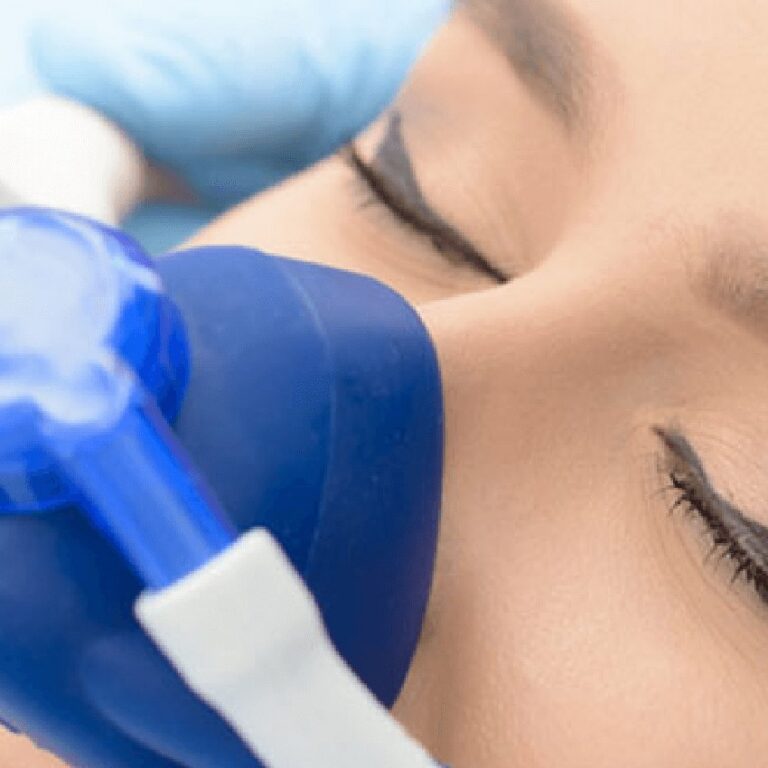
Options to help nervous patients feel more relaxed during treatment.
Shore Side Dentistry has cared for Oakville families since 1990. Our four dentists, including a certified specialist in periodontics, work together in one office on Lakeshore Road East.
Our office at 345 Lakeshore Rd E #401 in downtown Oakville welcomes patients from across Halton, including Old Oakville, Glen Abbey, River Oaks, Joshua Creek and nearby Mississauga.
Our home neighbourhood in downtown Oakville, steps from Lakeshore Road shops and the waterfront.
A short drive along Lakeshore Road for families in Bronte and west Oakville.
An easy trip along the QEW or Lakeshore Road for patients coming from Burlington.
A straight drive south on Trafalgar Road for families in Milton.
Comparing a dental implant vs bridge for a missing tooth: how each works, pros and cons, timing, cost factors and how our Oakville team helps you choose.
Compare implant supported dentures and traditional dentures: comfort, chewing, cleaning, who is a candidate, treatment timeline and cost factors.